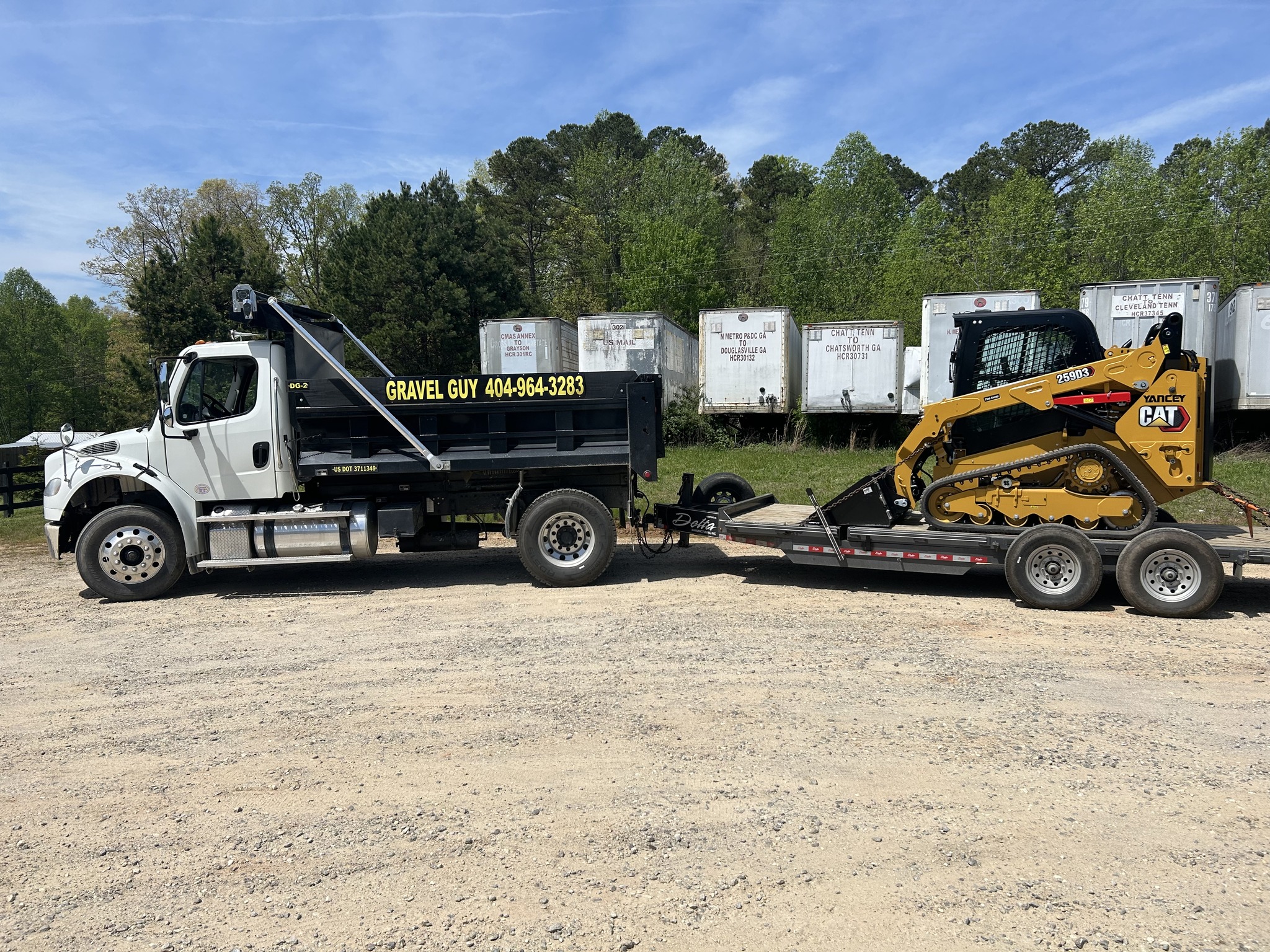
Gravel Landscaping 101: Common Mistakes and How to Avoid Them Feb 05, 2026
First and foremost, one of the most prevalent gravel landscaping mistakes is failing to lay a proper foundation. A solid foundation is crucial not only for aesthetics but also for the longevity and efficacy of your gravel area. If the groundwork isn't correctly prepared, you're likely to encounter issues like uneven surfaces, weed proliferation, and poor drainage. To avoid this, always start with a layer of landscape fabric. This material is specifically designed to suppress weeds while still allowing for necessary water drainage. Follow this by adding a gravel base or a layer of sand to create a stable, even surface.
Another frequent misstep is choosing the wrong type or size of gravel for your project. With so many varieties available, ranging from crushed stone to pea gravel and river rocks, each type serves a specific purpose and suits different settings. Selecting the right gravel involves considering both function and visual appeal. For instance, pea gravel is ideal for pathways due to its smooth texture and ease of walking. In contrast, larger river rocks might be more suitable for decorative borders or as a drainage solution. Before making any purchases, closely assess the requirements of your space and consult with professionals, like The Gravel Guy, for expert advice on the best materials for your project.
Ignoring maintenance needs is another common oversight in gravel landscaping. While gravel is undoubtedly lower maintenance compared to grass or flower beds, it isn't entirely maintenance-free. Over time, debris such as leaves and sticks can accumulate, weeds may find their way through any gaps, and the gravel might shift or sink. To maintain a pristine and functional gravel landscape, regular raking and occasional topping up are essential. Moreover, incorporating a weed barrier can significantly reduce the hassle of weed control, ensuring your efforts remain minimal.
One often overlooked aspect of gravel landscaping is the importance of proper edging. Without a solid edge, gravel can easily spill over into unwanted areas, creating a messy and unkempt look. Choosing the right edging material is essential for defining boundaries and retaining gravel where it's meant to be. Options range from wooden or metal edging to natural stones, each offering a different aesthetic and functional benefit. Be sure to install your edging firmly and to consider the overall design and style of your landscape.
Finally, neglecting to consider drainage can lead to significant issues. Poor drainage can not only affect the look of your landscape, causing water pooling and erosion, but it can also impact the structural integrity of your home if the water is directed towards the foundation. When planning your gravel installation, always incorporate a slight slope to direct water away from buildings, and consider using larger stones or gravel pits for areas prone to water retention.
In conclusion, successful gravel landscaping requires careful planning and attention to detail. By avoiding these common mistakes—neglecting the foundation, selecting inappropriate gravel, skimping on maintenance, ignoring proper edging, and overlooking drainage—you'll create a stunning, durable, and functional outdoor space. Partner with experts like The Gravel Guy to ensure your project is executed perfectly, delivering not only beauty but also enduring value to your property. Happy graveling!
/filters:no_upscale()/filters:format(webp)/media/f0621ac6-32f4-45b9-a3cf-a07afd695083.jpg)
/filters:no_upscale()/filters:format(webp)/media/7676af6a-f7c5-4084-a0c8-70ad44f46593.jpeg)